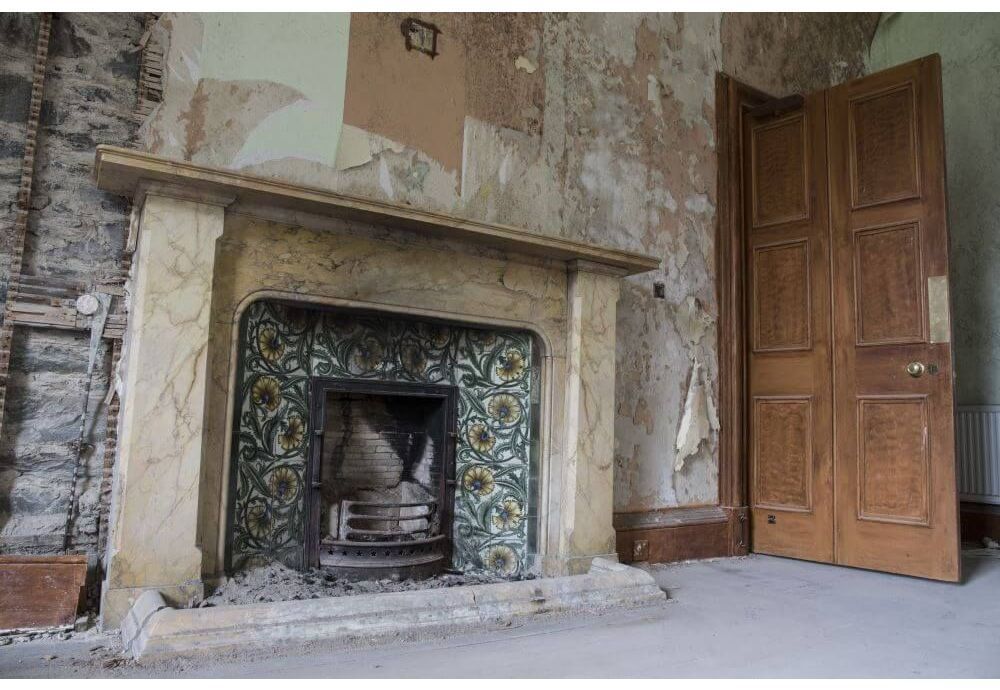
The ashpan and grate are checked according to the design of the stove and the type of fuel. In a grating hearth, accumulated ash can limit the intended airflow. A grateless hearth may, on the other hand, require leaving a layer of ash. One rule, 'always remove everything,' does not apply to both appliances.
Determine how air is supplied
Check the furnace instructions: locate the air channels, see how the grate works, and what maintenance activities are specified. Do not improve combustion by constantly leaving the ash door ajar. This may disrupt regulation and cause overheating.
With frequent burning, monitor the condition of the appliance at the intervals required by the manufacturer. A fixed cleaning schedule does not take into account differences in fuel, ash amount, and firebox design.
Order of cleaning and inspection
- Prepare tools intended for ash and a suitable non-flammable container.
- Remove ash in the manner specified for the appliance, considering any remaining embers.
- On a cold furnace, inspect the grate, its support, and the mechanism if it is movable.
- Check the available air channels and the closing of the ash box.
Do not use a regular vacuum cleaner and do not pour ash into a container with combustible materials. Residues can retain embers long after burning has finished. The item shown in the photo illustrates a firebox with a grate, not all design solutions.
What does a damaged grate mean?
Cracking, deformation, or restricted movement requires determining the cause. The replacement part is selected according to the appliance model. Refractory cement used for small repairs is not a universal method for bonding a stressed grate.
If the stove still responds poorly to adjustment after cleaning, also check the door pressure and the condition of the sealing rope. The ash pan alone does not explain all combustion problems. Recurring difficulties should be discussed with the service, providing the stove model, type of fuel, and observed changes.