Oven components change dimensions as they heat. The design should identify rigid connections and places needing movement allowance. A gap left by chance during bricklaying is not a designed expansion joint, and a specified gap should not automatically be filled with mortar.
Mark the interfaces between components
Show the chamber, exterior enclosure, metal entrance parts and flue connection on the cross-section. Establish support and the direction of possible movement. For a prefabricated oven, follow its manufacturer's details; changing a mounting arrangement can affect adjacent components.
The gap dimensions and construction depend on geometry and operating conditions. Do not determine them simply from the width of available tape. The design should specify the connection's function, sealing requirements and any fixing.
Distinguish rigid mortar from a separator
Outdoor Oven Cement serves compatible refractory joints specified for that mortar. Once set, it does not become a flexible gasket for any moving interface. Avoid filling a gap that needs a different solution.
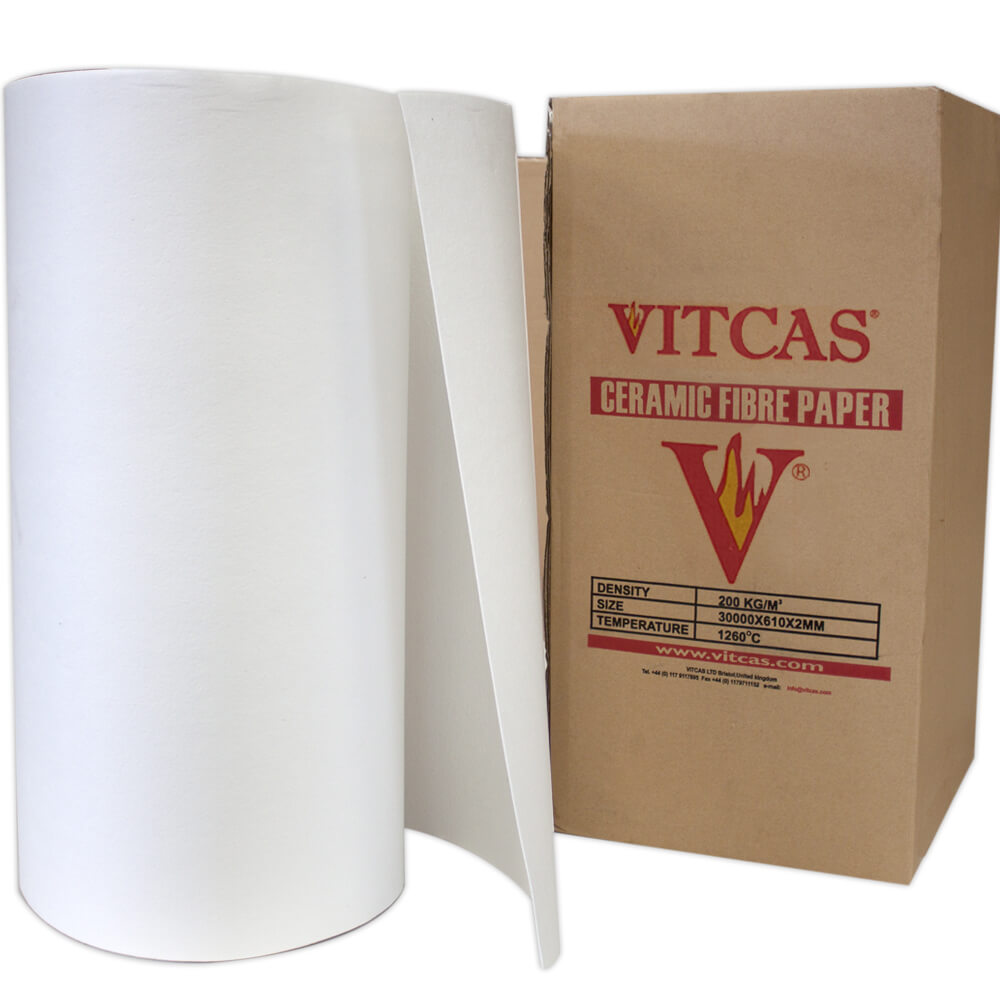
Vitcas ceramic fibre paper can serve as a thin separator or gasket material in suitable details. Adding a sheet alone does not create a suitable movement joint. Correct dimensions, compression, retention and confirmation of the application are still required.
Inspect the detail before enclosing it
Dry-fit the parts and compare their positions with the drawing. Check that mortar or decorative finishes have not created a rigid bridge across the designed gap. Photograph locations that will later be hidden.
After the specified initial heating, inspect accessible connections as instructed. Recurring cracks beside metal require assessment of support and movement; another rigid surface layer may simply hide the symptom. Keep the approved detail so a future repair preserves its function.